Nashville Family Activities: Beginner's Guide
· 8 min · редакция hearthdaybook.com
Plan Nashville family activities without guesswork: parks, music, museums, and a day-of checklist, plus official sources for current hours and air quality.
Start with one good day, not a packed itinerary
Nashville family activities work better when you treat the city as a set of neighborhoods and parks, not a checklist you have to finish. A first visit, or a first weekend with younger children, goes more smoothly if you pick one outdoor stretch, one indoor backup, and one food stop, then leave room to be late.
The city is easy to underestimate. Distances that look short on a map can include parking, a stroller, a long block in the sun, and a toddler who has already walked enough. Build the day around how long your people can stay interested, not around how many famous names you can photograph.
This is a planning guide, not a ranked list of attractions. Hours, tickets, and road work change. Confirm the day's details on the official park or venue page before you leave the house.
Choose a shape for the day
Most family days in Nashville fit one of four shapes. Pick the shape first, then fill in the places.
A greenway morning. Paved paths along the river or through large parks give you movement without a ticket queue. Bring water, a simple snack, and a plan for shade. This is the easiest shape with a stroller.
A museum or indoor stretch, then a short outdoor walk. Useful in heat, rain, or with a child who needs a quiet room after travel. Keep the indoor visit shorter than you think you need. When attention fades, go outside rather than pushing into the next gallery.
A music-related stop that is actually built for mixed ages. Nashville is a music city, but not every honky-tonk is a family room. Look for daytime hours, all-ages programs, or outdoor listening, and be willing to leave after one set.
A slow neighborhood morning. A playground, a short walk, a sit-down lunch, and a second playground is a full day for many families. It does not look like a highlight reel, and it is often the day children remember.
If you are visiting from out of town, resist the urge to “do downtown” and “do the parks” and “do a day trip” in a single Saturday. One of those three, done calmly, is enough.
Parks, greenways, and open space
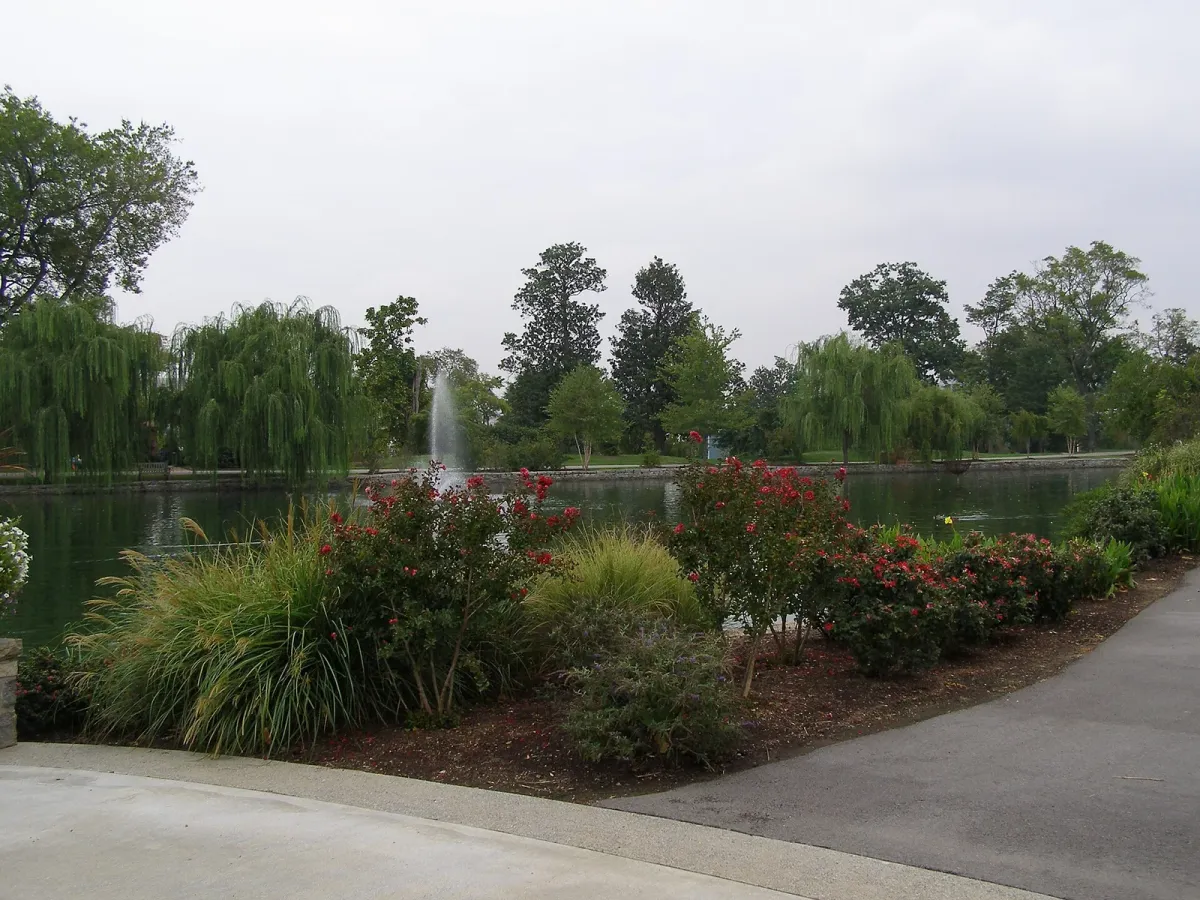
Start with public parks when you want a low-cost, flexible plan. The Metropolitan Government of Nashville and Davidson County publishes park and greenway information, including maps and facility notes, at Nashville Parks & Recreation. Use that page for current hours, trail closures, and whether a playground or community center is open.
Large parks give you bathrooms, shade trees, and room to picnic. Greenways give you a path with a start and a turnaround point, which is easier than an open field when children like a destination. If you do not know the city yet, choose a park with a clearly marked restroom and a parking area you can see from the path. A “hidden gem” with no facilities is a poor first stop with small children.
A few practical habits make an outdoor morning work in this climate:
- Check the day's heat, not just the morning temperature. Afternoons can be a different season from breakfast.
- For outdoor hours in summer, look up the local air quality if anyone in the group is sensitive to smoke or ozone. The U.S. Environmental Protection Agency’s AirNow map is the official place to do that.
- Carry more water than you think you need, and plan a shaded pause every hour or so with young children.
- Keep a simple indoor backup in the same part of town, so you are not crossing the city if a storm moves in.
Do not treat a park picnic as a chance to improvise a grill setup unless the park explicitly allows it. Follow posted rules about fires, alcohol, and wildlife.
Music, museums, and paid indoor stops
Nashville’s paid attractions are easier on families when you treat them as a single main event, not a string of ticketed rooms. Read the official visitor information for age guidance, stroller rules, and whether you need a timed entry. If a venue does not publish a family policy, assume a noisy, standing-room setting is not designed for a nap schedule.
For music, daytime is usually kinder than evening. A short live set in an all-ages space, or a museum with listening booths, will tire children less than a late dinner show. If you want children to hear live music, sit where you can leave without climbing over a crowd. Bring hearing protection for small children in loud rooms; this is comfort and common sense, not a medical claim.
Museums and historic sites vary widely in how much they ask of a child. A hands-on room can hold a six-year-old for an hour. A quiet gallery of costumes or letters may hold them for fifteen minutes. That is not a failure of the child or the museum. Plan the visit so the gift shop or the café is not the only reason you stay.
If a venue sells “city pass” style bundles, add up whether you will actually use the second and third stop on the same day. Unused tickets are a poor souvenir. Buy the one place you are sure you will enter, then decide after lunch.
Food, rest, and moving around the city
Hunger ruins more family days than traffic does. Eat before anyone is already upset. A sit-down lunch between two shorter activities is more reliable than snack grazing all afternoon, especially in heat.
Parking and walking time belong on the schedule. If you are using a rideshare or a bus, still plan for the last block on foot. Downtown sidewalks can be crowded. A lightweight stroller, a carrier, or a clear agreement about who carries the tired child will matter more than a new activity at 4 p.m.
If you are driving, pick a parking area and walk a loop you can reverse. Crossing the city mid-day to “fit in one more thing” is how you meet rush hour with a tired group. Stay in one area until you have a real reason to move.
Hotels and short-term rentals with a little outdoor space can absorb an early bedtime. That is a planning choice, not a luxury. A quiet evening in is a successful family activity if the morning was already full.
A family day checklist for Nashville
Use this as a night-before list. Print it or keep it in a notes app, and drop any line that does not apply.
| Time of day | What to decide | What to confirm |
|---|---|---|
| Night before | One main activity, one backup, one meal | Official hours, tickets, and park or trail alerts |
| Morning | Outdoor or indoor first, based on heat, rain, and energy | Air quality if you will be outside for long stretches |
| Midday | Where you will eat, and where you can sit in shade or air-conditioning | Kitchen hours, not just the attraction hours next door |
| Afternoon | Whether a second stop is still a good idea | Travel time, nap needs, and the last bathroom before you go |
| Evening | A quiet option: park swing, hotel, early dinner | Tomorrow's start time, so you are not overfilled two days in a row |
Pack a small bag you can carry without thinking: water, a simple snack, sun protection, a light layer, any needed tickets in one place, and a charger. Leave the “just in case” toys that you will not actually unload at a playground.
How to keep the plan kind
A beginner's mistake in this city is to treat every well-known street as mandatory. Broadway is loud and interesting for some families and overwhelming for others. You can have a complete Nashville day without standing on that sidewalk, and you can also walk it for twenty minutes and leave. Both are allowed.
Another mistake is stacking paid tickets back to back because you are already “in town.” Children do not experience a city as a list of venues. They experience shade, snacks, a place to run, and whether the adults are still pleasant at 3 p.m. If you do only a greenway, a picnic, and a short indoor visit, you have done the work of a family day.
If you live here, the same rule applies in reverse. You do not need a special-occasion ticket to have a good Saturday. Rotate two or three parks, learn which playgrounds still have shade at noon, and keep a library or community-center backup for weather. Repeat visits are how a city becomes familiar.
Questions families ask before a Nashville weekend
How many activities should we plan with young children?
Plan one main activity and one flexible extra. If the first stop goes well, you can add the extra. If it does not, you already have a meal and a way home. Two paid tickets on the same morning is usually too many with preschoolers.
Are downtown music venues a good idea with kids?
Some daytime, all-ages rooms work for a short visit. Evening crowds, standing-room floors, and very loud stages usually do not. Read the venue’s own family or age notes, sit where you can leave, and treat the visit as a taste of the city, not a late night out.
What should we do if the weather turns?
Switch to the indoor backup in the same part of town, or go back to your lodging and try again later. A long drive across the city in a storm, in search of a second attraction, is rarely worth it. Parks information and official venue pages are the right place to check closures; social posts are not.
Is there a single “best” neighborhood for families?
No. Choose based on your lodging and the day's main stop. A park near where you are staying will beat a famous site that costs you an hour in the car. If you have two days, stay in one area each day rather than crisscrossing the map.
#nashville with kids#family activities#city parks#weekend planning